

Table 3
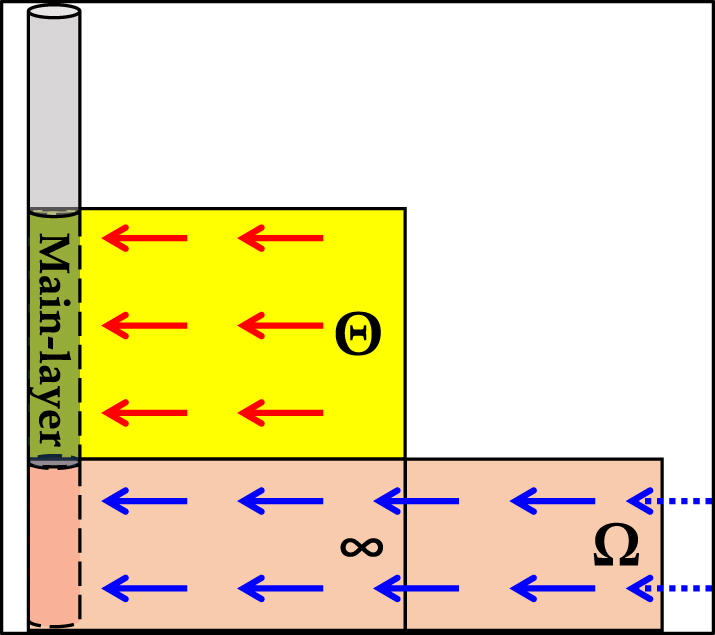
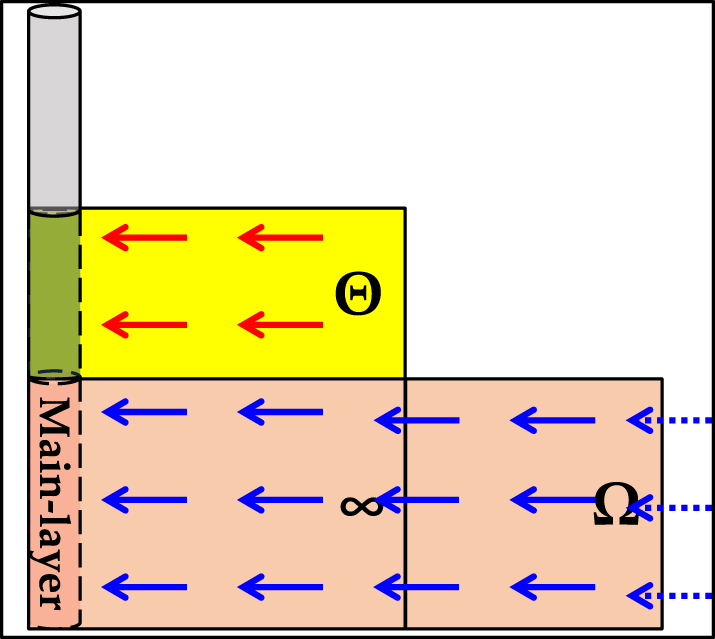
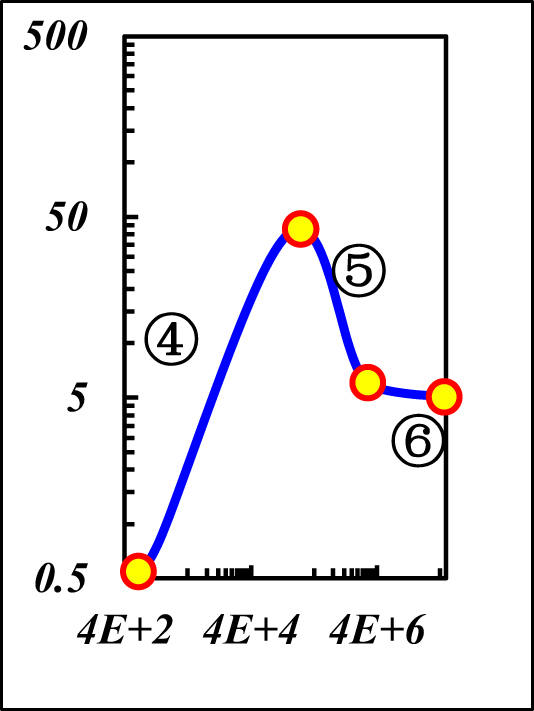
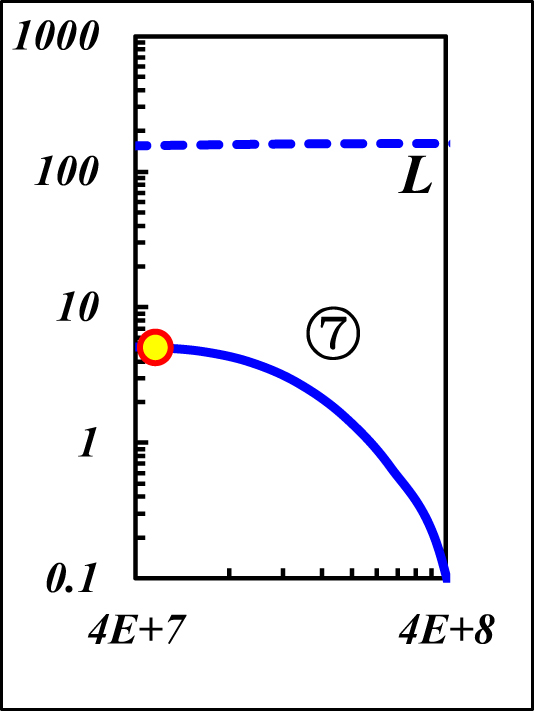
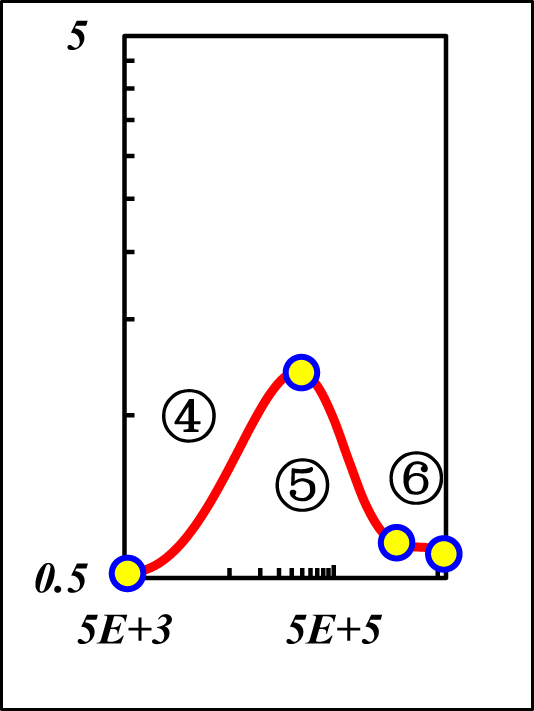
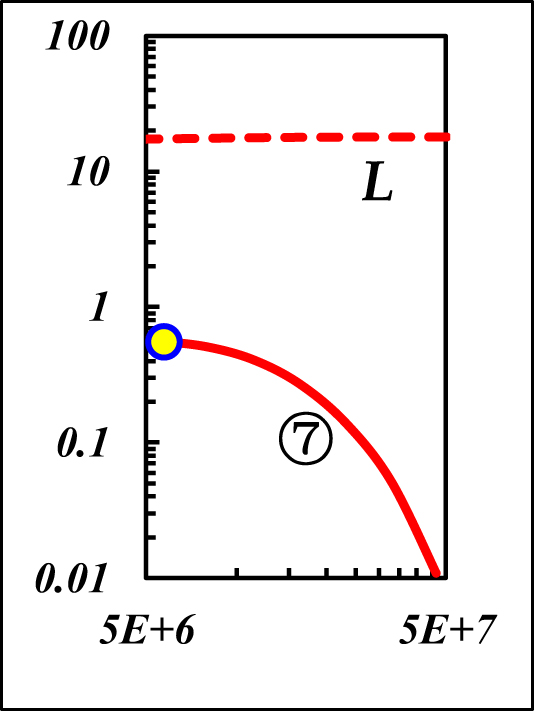
Boundary flow characteristics and pressure response behavior of Figure 5.
| Symbol description | Closed & const-pressure, r
eD
[Θ] < r
eD
[Ω] |
|||
|---|---|---|---|---|
| κ[Θ] > κ[Ω] | κ[Ω] > κ[Θ] | |||
| Model sketch |
|
|
||
| Identifiable window |
|
|
|
|
| Response behavior | The ④–⑤–⑥ is same as the boundary-domain flow of r eD [Θ] & r eD [∞] | |||
| The ⑦ is same as the boundary-domain flow of r eD [Ω] | ||||
| ④Strong CBF: unit slope | ④Weak CBF | |||
| ⑤Weak CpBF | ⑤Strong CpBF | |||
| ⑥Weak Pseudo-IARF: const derivative l | ⑥Strong Pseudo-IARF: const derivative l | |||
| ⑦Strong CpBF: const pressure L | ⑦Strong CpBF: const pressure L | |||
Notes: “CBF” is Closed Boundary Flow, “IARF” is the Infinite-Acting Radial Flow, and “CpBF” is the Constant-Pressure Boundary Flow. “Strong” indicates the boundary layer is the main-flow layer, and “Weak” indicates the boundary layer is the non-main-flow layer.